Built for the Brutal: How Desert-Tested Climate Tech From the Gulf Is Saving American Homes From Extreme Heat
Last summer, Phoenix broke its own heat record. Parts of Texas saw water restrictions. California's grid buckled under air conditioning demand. For millions of Americans, extreme climate conditions stopped being a future problem and became a right-now problem.
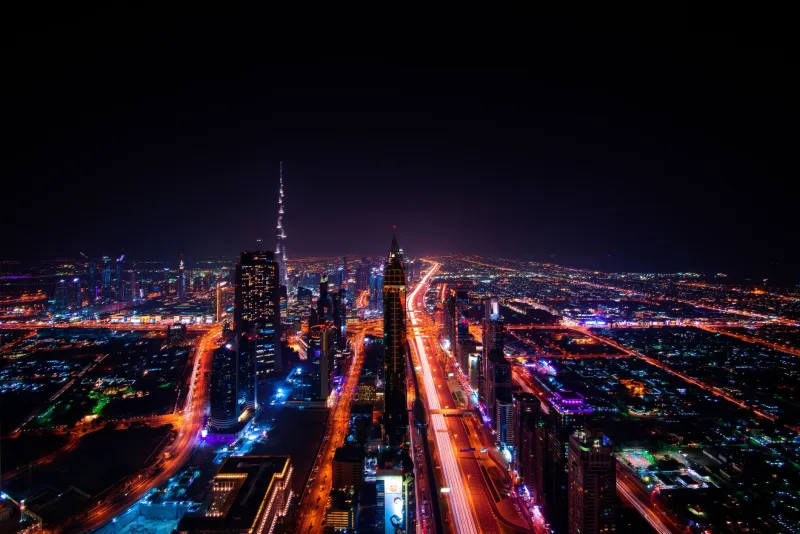
Meanwhile, engineers in Dubai had already solved half of these issues years ago — because they had no choice.
The Middle East doesn't have the luxury of treating heat and water scarcity as edge cases. In the Gulf, they're baseline conditions. And that survival pressure has quietly produced some of the most sophisticated climate-resilient consumer technology on the planet. What's new is that it's starting to show up in American homes, garages, and backyards — and the timing couldn't be better.
When Extreme Conditions Become a Design Brief
Let's set the scene. The UAE regularly records summer temperatures above 115°F. Saudi Arabia's Empty Quarter is one of the driest places on Earth. Kuwait City has clocked the highest reliably recorded air temperature ever measured — 129.2°F in 2016. These aren't anomalies. They're the operating environment that Gulf engineers have designed around for decades.
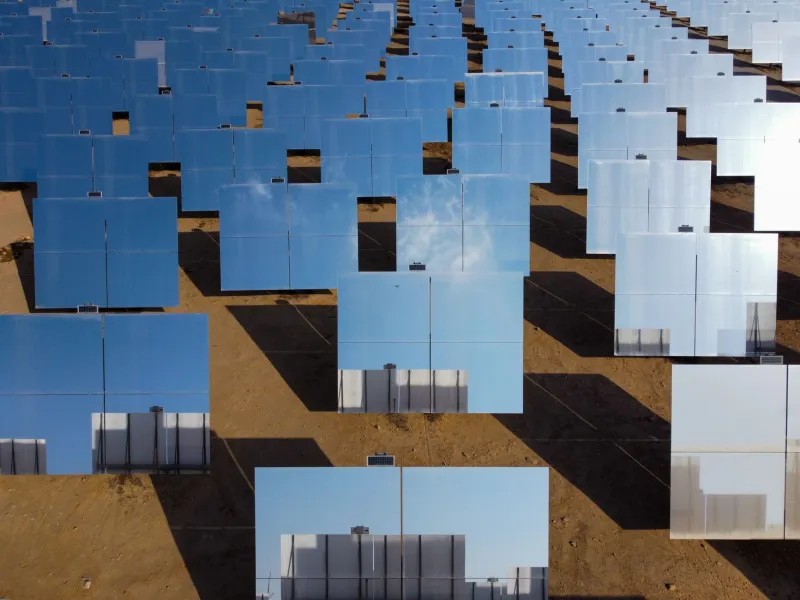
The result is a generation of consumer electronics and home technology that treats heat, dust, and water scarcity not as problems to avoid but as constraints to engineer around. Solar-integrated smart home panels that maintain efficiency at extreme temperatures. Portable water-recycling units small enough to fit under a kitchen sink. Air conditioning systems that use a fraction of the energy of standard US units while outperforming them in direct heat.
American consumers are just now discovering what Gulf households have been quietly living with for years.
The Investors Driving the Shift
It's not just engineers. A wave of Arab tech investors — from sovereign wealth funds like Abu Dhabi's Mubadala to individual billionaires with deep roots in the energy sector — are placing serious bets on climate-resilient consumer tech, and they're doing it with a long-term perspective that most American venture capital simply doesn't operate on.
These aren't moonshot bets on unproven concepts. They're investments in technologies that have already been stress-tested in some of the harshest conditions on Earth. When a Riyadh-backed fund invests in a heat-resistant battery startup, they're not speculating — they're backing something that's already survived a Gulf summer.
Several of these investment vehicles are now actively targeting US market entry, particularly in Sun Belt states where climate conditions are increasingly mirroring those of the Gulf. Arizona, Nevada, and parts of Florida are becoming test markets for Gulf-originated home tech in a way that would have seemed unusual even five years ago.
Gadgets Worth Watching
So what does this actually look like on a shelf? A few categories are leading the charge.
Heat-Resistant Portable Power Stations: Standard lithium battery packs degrade fast in high heat — a real problem if you're camping in the American Southwest or riding out a power outage during a July heat wave. Gulf-developed power stations using modified thermal management systems can operate efficiently at temperatures that would destroy conventional units. Several are already available through US e-commerce channels.
Atmospheric Water Generators: These devices pull moisture from the air and convert it to drinking water. They've been refined in Gulf conditions where even marginal humidity needs to be captured efficiently. Compact home versions are now being marketed to water-conscious American households in drought-prone regions, and they're drawing real interest from sustainability-focused buyers.
Smart Solar Shading Systems: In the Gulf, smart motorized shading that responds to sun angle and temperature isn't a luxury feature — it's how you keep a building livable without destroying your electricity bill. These systems, now being adapted for the US residential market, can reduce cooling costs by up to 30% in direct-sun climates. For a Phoenix homeowner, that math is very compelling.
Dust-Sealed Smart Home Hubs: Gulf-market smart home devices are routinely built to IP ratings that American equivalents rarely bother with. A smart thermostat or security hub designed to operate in sandstorm conditions is, incidentally, also excellent in a dusty workshop, a construction trailer, or a rural American home. Rugged by design, practical everywhere.
The Bigger Picture
There's a pattern here that goes beyond individual gadgets. Gulf innovation in climate-resilient tech represents what happens when a region spends decades engineering solutions to problems the rest of the world is only beginning to face. The knowledge base is deep, the products are field-proven, and the investment appetite is strong.
For American consumers, this is genuinely good news. The solutions to a hotter, drier, more energy-stressed future don't all have to be invented from scratch in California. Some of the best ones are already built, already tested, and already on their way.
The desert had a head start. It's time to pay attention.